
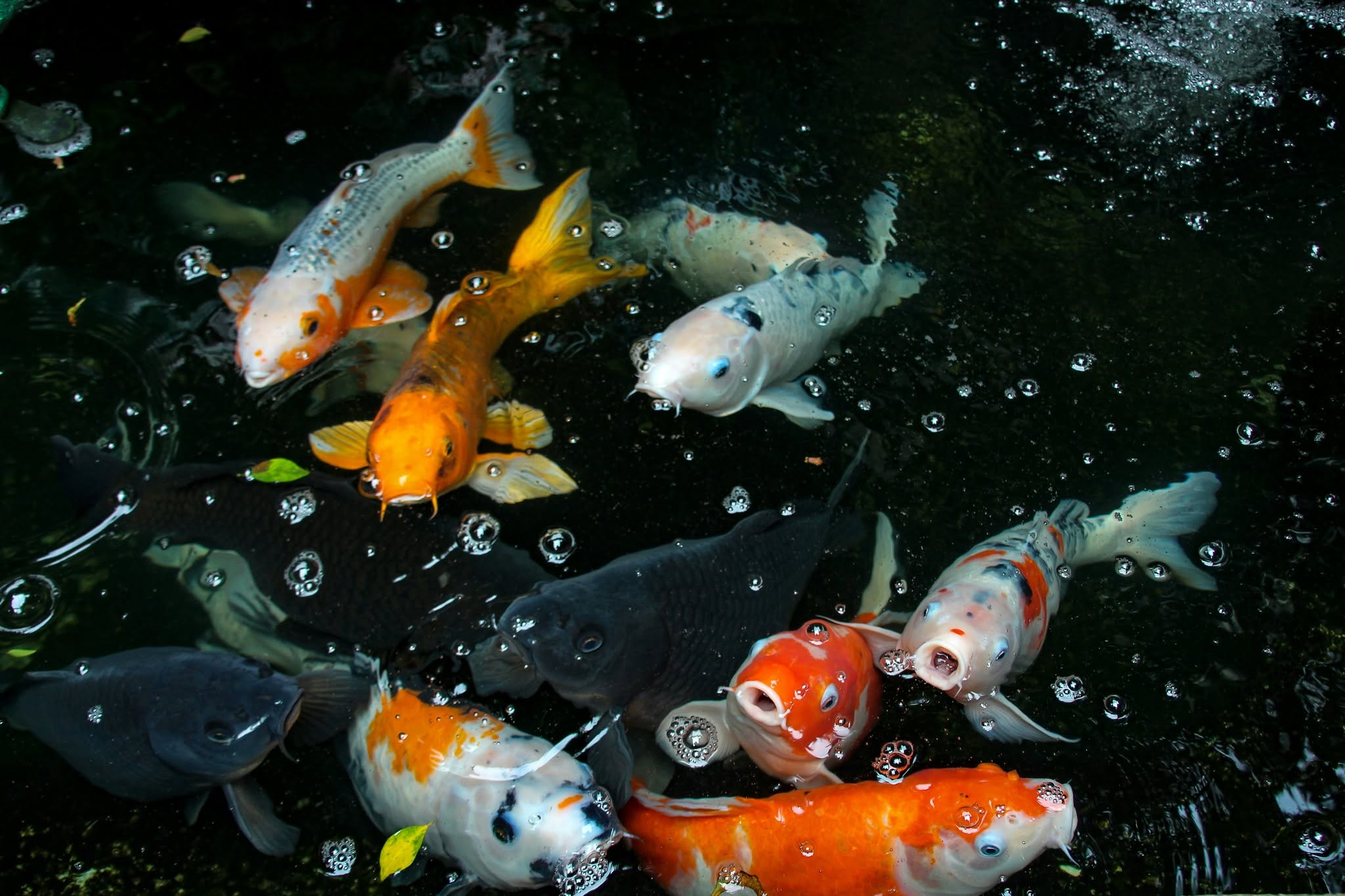
The success of any thorough Pond Cleaning service hinges on one non-negotiable step: the protection of the aquatic life and plant material. What is the first and most critical step in a professional Pond Cleaning service? The first and most critical step in a professional Pond Cleaning service is safely removing and holding all fish and aquatic plants in temporary containers with proper aeration. This initial action ensures the protection of your valuable fish and allows us to thoroughly drain the pond without harming the ecosystem.
This careful relocation process, typically performed as part of an annual Spring Clean-out, is the foundational step that ensures the structural integrity of your feature is maintained while safeguarding your investment in aquatic life. Without this critical measure, the intense cleaning required to remove bottom sludge and reset the biological filter would be impossible, leading to stress, illness, or death for your fish. Our 20+ years of specialized local expertise in the Chicagoland area guarantees that every precaution is taken to handle your fish and plants with meticulous care, guaranteeing the longevity of your “one of a kind work of art.”
The Critical First Step: Why Safe Fish and Plant Handling is Non-Negotiable
This first step immediately prioritizes the delicate biological balance of your Pond Installation. While the focus of the job is cleaning the feature, the most valuable and sensitive assets are the fish and the beneficial bacteria-laden plants. The only way to thoroughly perform the cleaning, pressure-washing, and deep sludge removal necessary for a truly low-maintenance pond is to temporarily remove all living components.

Protecting Your Most Valuable Assets (Fish)
Fish are highly sensitive to rapid changes in water chemistry and temperature, and they cannot tolerate the toxic elements present in tap water or the high level of sediment disturbance that occurs during a deep clean.
Proper handling is critical for fish health:
- Minimizing Stress: Fish are gently captured using soft nets and immediately transferred to temporary holding containers. This gentle handling minimizes the stress response which can lead to illness.
- Critical Aeration: The temporary containers are filled with pond water and equipped with proper aeration (air pumps and air stones) to ensure maximum dissolved oxygen levels. This is essential, as fish will quickly deplete oxygen in a small, contained space, especially during stressful conditions.
- Avoiding Chemicals: Temporary holding water is typically sourced from the pond itself to match the current temperature and chemistry, minimizing shock. No untreated tap water is used in the holding containers, as chlorine or chloramines are toxic and would immediately compromise fish health.
Preserving the Ecosystem (Plants)
Aquatic plants are vital for long-term clarity and health. They are carefully moved to prevent damage and to preserve the beneficial bacteria colonies that cling to their root systems. This allows the cleaning team to access all areas of the pond for comprehensive sludge removal.
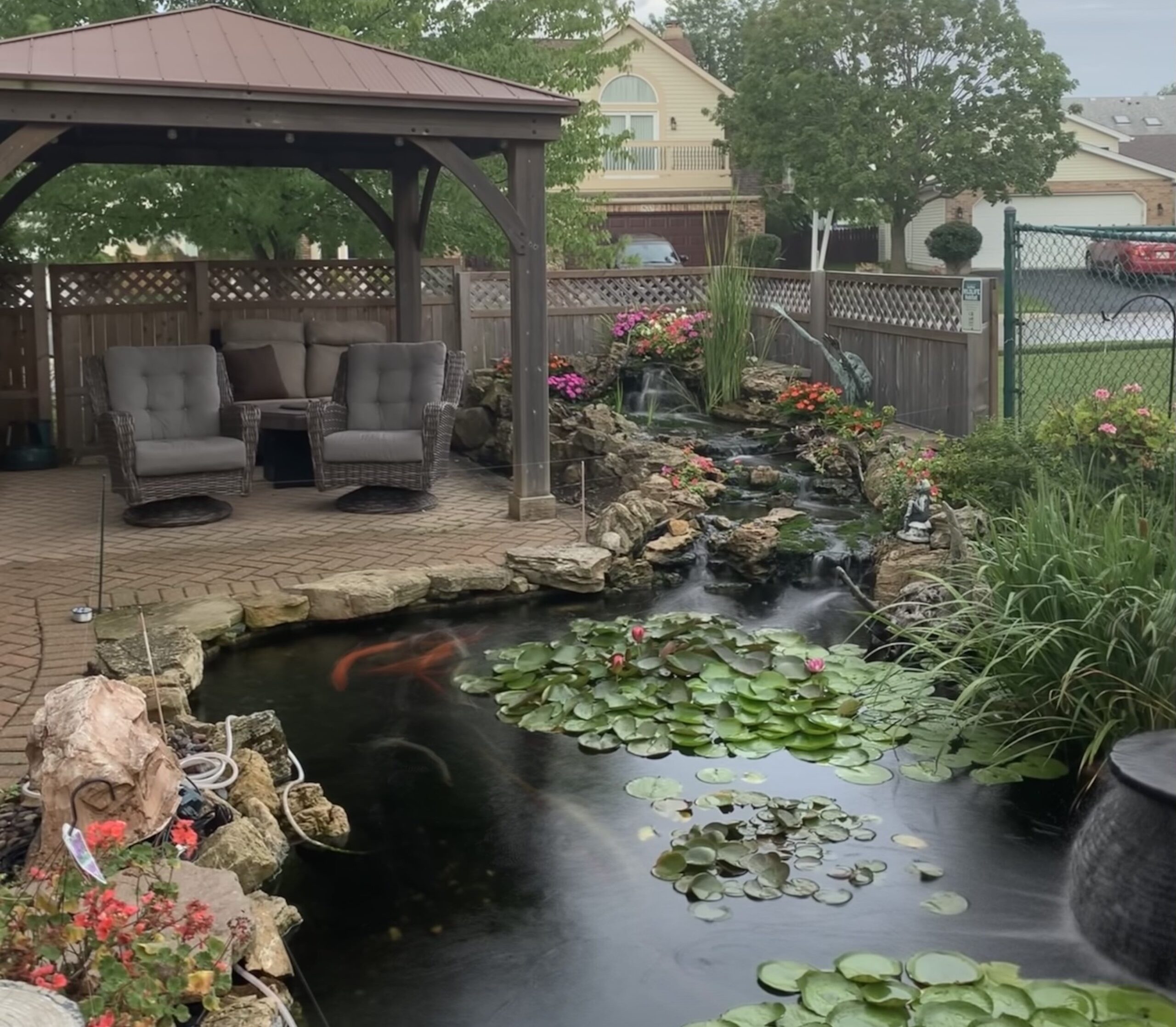
The Meticulous Process of Relocation and Aeration
Our professional team follows a detailed protocol during the relocation process, ensuring the safety of every plant and fish before the pond is thoroughly drained.
The fish and plant removal process includes:
- Water Transfer: We pump enough water from the pond into the temporary containers to ensure a stable, familiar environment for the fish.
- Safe Capture: Fish are safely removed using specialized nets and visually checked for signs of stress or injury before being placed in the aerated holding tank.
- Plant Isolation: Aquatic plants are carefully pulled from the pond edges and placed in shallow containers, keeping their roots moist and protecting the beneficial bacteria attached to them. This allows us to perform necessary care like pruning dead or excessive foliage before reintroduction.
- Continuous Monitoring: The temporary containers, which often include a tarp-lined wading pool or specialized aerated tank, are monitored throughout the entire Spring Clean-out to ensure consistent temperature and high oxygen levels.
Enabling a Truly Deep Clean: Draining the Pond
By safely removing the fish and plants, the cleaning team is free to thoroughly drain the pond without harming the ecosystem. This enables the subsequent critical steps that are impossible when water and fish are present:
- Deep Muck Removal: The core problem in any aging pond is the deep bottom sludge and accumulated muck. By completely draining the pond, we gain access to the floor, where we use specialized equipment like wet vacuums to extract this decaying organic matter, which is the major source of nutrients that trigger summer algae blooms.
- Pressure Washing Surfaces: Once drained, we can perform the essential pressure-washing of the rocks and gravel. This strips away layers of winter debris and stubborn string algae, rejuvenating the pond’s surfaces and providing a clean slate for the new beneficial bacteria dose added during the refilling process.
- Structural Inspection: Draining the pond allows for a detailed inspection of the flexible liner and plumbing, enabling us to spot minor issues that may require preemptive Pond Repairs or check for subtle water loss that might need Leak Detection Services.
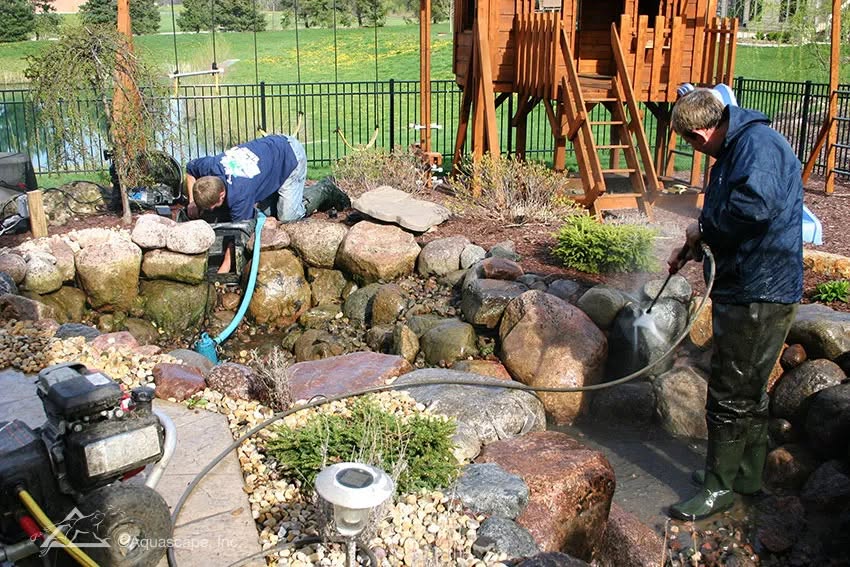
This careful, systematic approach ensures that every annual Spring Clean-out service sets your pond up for months of healthy, low-maintenance clarity, minimizing the need for constant hands-on care.
Ensure your aquatic life is protected during your next service. Contact us today to schedule your professional Pond Cleaning appointment.