Fall Pond Maintenance
Pond & Water Feature Maintenance Services
Fall Water Feature Netting & Maintenance Contractor Servicing
St. Charles, Naperville, Chicagoland, Illinois (IL)

Call 630-260-9144

Get A Quote Here

Installations

Maintenance
Aqua Landscapes Inc.
Pond Netting Services
Pond netting is needed in the Chicagoland, Illinois area when excessive leaves have the potential of making their way into the pond. If your pond is in the direct vicinity of large trees then you will want to consider netting your pond. This needs to be done before the first frost or usually sometime in October. Fall netting is an easy process. A net is stretched across the pond and anchored with rocks and/or pins. It is best not to have the net resting on the water surface since it will be difficult to remove with all the debris on it. Once all the leaves have fallen then the net is removed for the winter.

Send Us Your Photos
Having Pond Problems?
Click here to upload a photo of your yard and connect with a pond design expert

Have Fall Pond Maintenance Questions? We Have Answers!
What is the best type of pond netting to use, and when should I install it for fall leaf protection?
The best option for leaf protection is a fine-mesh, black polypropylene pond net, as its dark color makes it nearly invisible while effectively catching small debris. You should install the netting as soon as the trees in your St. Charles or Naperville area begin to turn color and before the first significant leaf drop occurs. Securing the net early dramatically reduces the organic material entering the water, making your Fall Winterization much cleaner.
When should I stop feeding my koi and goldfish as water temperatures drop in the fall?
You should gradually reduce feeding when the water temperature falls consistently below 60°F and stop feeding entirely once it drops below 50°F. Fish digestive systems slow down dramatically in colder temperatures, and any undigested food can rot in their gut over winter. Properly ceasing the feeding schedule prevents fish illness and minimizes waste that would otherwise contribute to poor water quality.
What is the process for safely removing and storing the pond's main pump for the winter season?
The process involves disconnecting the pump from the plumbing, cleaning any mineral deposits, and storing it submerged in a clean bucket of water indoors, such as in a basement or garage. This method protects the internal seals and impeller from drying out and freezing, ensuring the pump is preserved and ready for immediate service during the Spring Clean-outs.
Should the biological filter media be cleaned or removed during the Fall Winterization process?
No, the biological filter media (mats or lava rock) should generally not be deep-cleaned or removed during the Fall Winterization process. A quick, light rinse can remove heavy sludge, but the beneficial bacteria colonies living on the media should be preserved, as they are crucial for processing winter waste and establishing the ecosystem quickly in spring.
How does applying cold-water beneficial bacteria in the fall help my pond through the winter?
Applying specialized cold-water beneficial bacteria just before freezing temperatures helps maintain a clean pond bottom over the dormant season. These microbes are specifically formulated to remain active in cold water, continuing to break down sludge and organic waste that would otherwise decompose into toxic gases beneath the ice, supporting overall fish health.
What is the recommended water level adjustment for a pond during the autumn Fall Winterization service?
For ponds with fish, the water level should be maintained at its normal level to ensure maximum depth for fish safety and winter stability. If you are operating a waterfall or feature through the winter, the water level should be lowered just below the skimmer door and biofilter outlet to prevent them from freezing solid and causing damage to the pond structure.
What should I do with my tropical aquatic plants, like water hyacinth and water lettuce, during fall pond maintenance?
Tropical aquatic plants such as water hyacinth and water lettuce cannot survive the Chicagoland winter and should be removed and composted as part of your Fall Winterization service. Removing these plants prevents them from decaying in the water, which would release excessive nutrients and severely lower the water quality.
How does Aqua Landscapes ensure maximum debris removal from the pond bottom before the water gets too cold?
Before the water temperature drops below 50°F, Aqua Landscapes performs a final, thorough debris removal using fine pond nets and vacuums to eliminate the accumulated organic material on the bottom and along the shelves. This proactive cleaning significantly reduces the sludge load that fish would be exposed to during their dormant period.
When is the typical window for scheduling the professional Fall Winterization service in the Chicagoland area?
The typical window for scheduling the professional Fall Winterization service in the Chicagoland area runs from late September through the end of October, depending on the year’s first hard freeze. Booking during this window ensures your feature is fully prepared for the cold before significant leaf drop and consistent cold temperatures set in.
Does a Pondless Waterfall require any form of netting or debris management in the fall?
Yes, a Pondless Waterfall Installation benefits greatly from netting over the stream and waterfall basin in the fall, as leaves and debris can clog the pump vault or reservoir media. Removing debris from the stream bed regularly and netting the area ensures continuous flow and reduces the need for deeper cleaning of the reservoir.

Plant Pruning for Fall
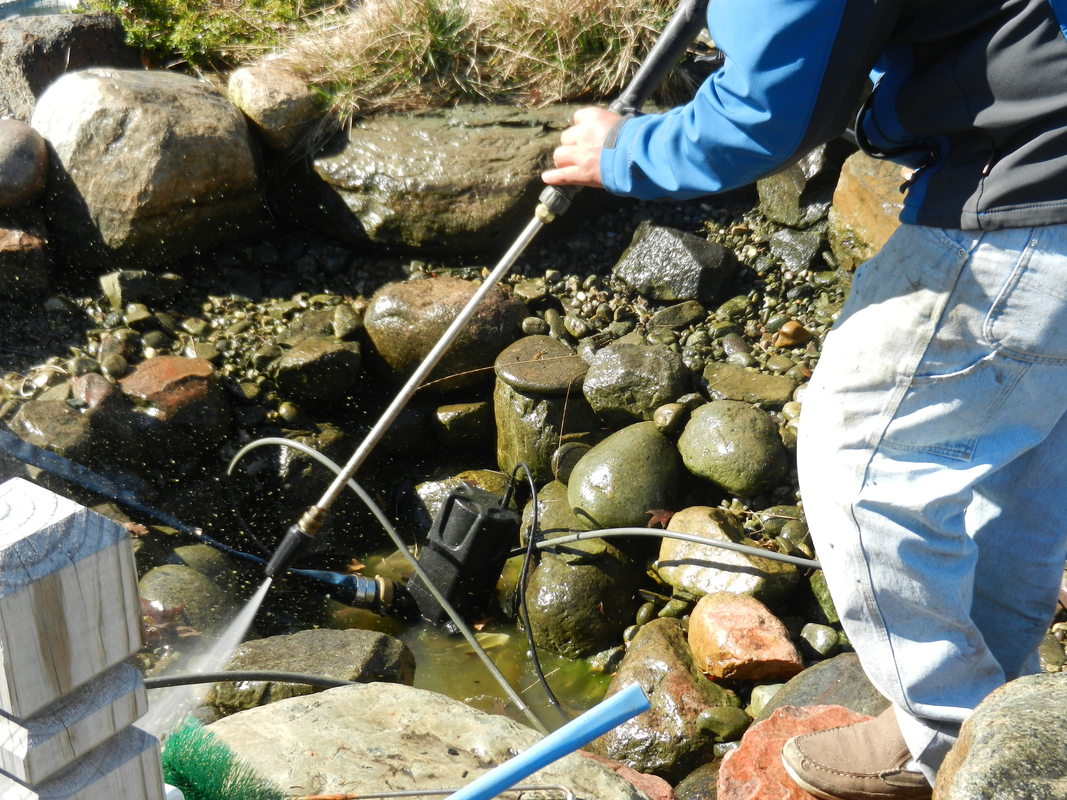
In the Fall your pond plants are thriving from their summer growth. However, soon the winter freezes will cause all that beautiful lush foliage to turn brown and ugly. If left unattended to, this foliage will die and fall into the pond, causing excessive mess and eventual cleanup in the Spring. Therefore, Aqua Landscapes recommends pruning all pond plants to within 1 inch of the water surface. This process should be performed after the first frost or sometime in November.
Service & Maintenance Form