
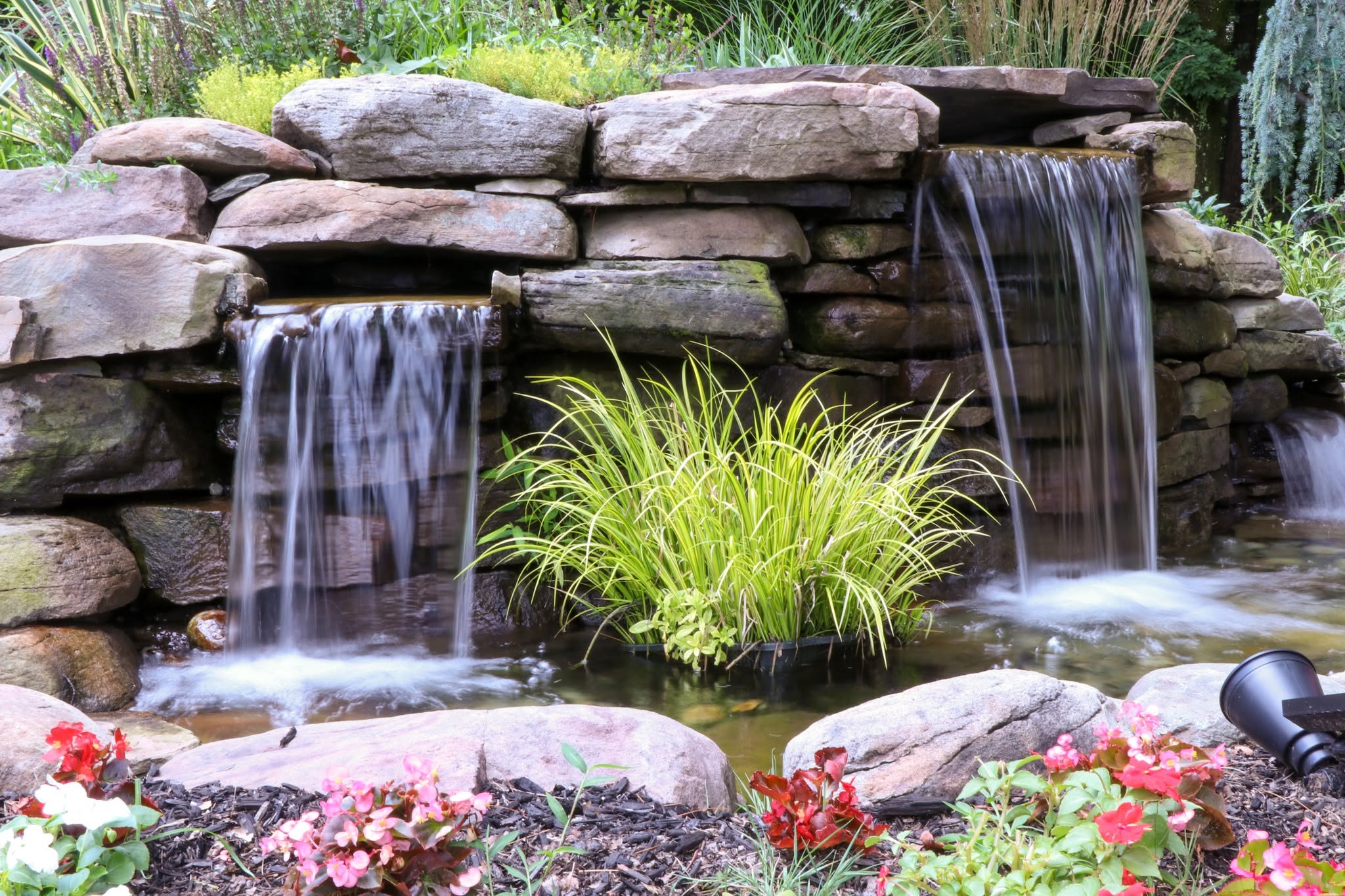
Pond Installation vs. Pondless Waterfall: Comparing Water Circulation Systems
Choosing the right aquatic feature for your yard, whether a full ecosystem pond or a simple waterfall, depends largely on understanding how each system handles water circulation. In a traditional Pond Installation, water is continuously circulated from the pond, through the filters, and back via a waterfall or stream. This design creates a visible, balanced ecosystem ideal for supporting fish and aquatic plants. In contrast, a Pondless Waterfall Installation works by collecting all the water in a large, contained underground reservoir filled with rock and gravel, where it is pumped back up the stream. This fundamental difference in water movement dictates the feature’s maintenance level, safety profile, and aesthetic appeal in your Chicagoland backyard.
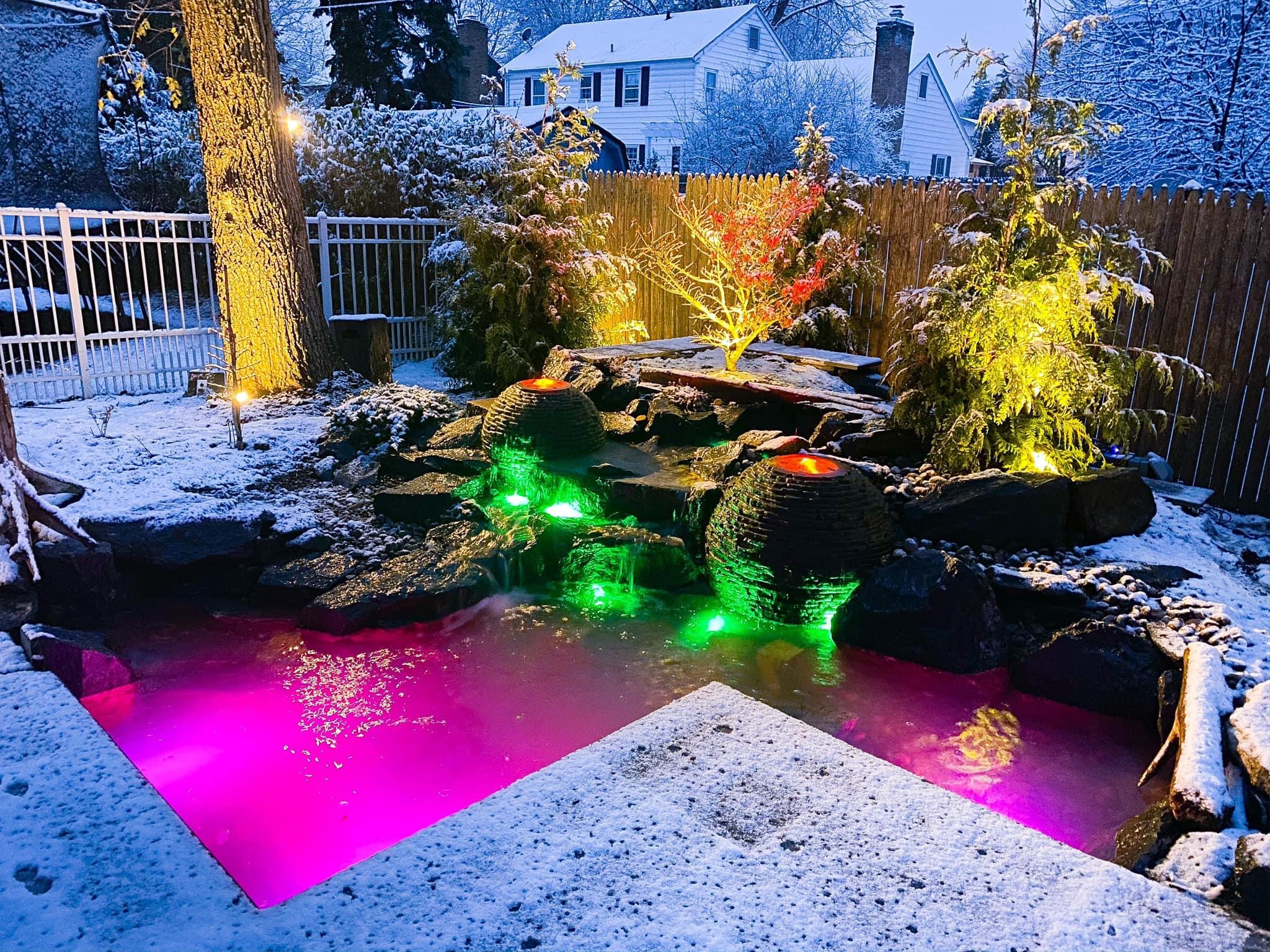
How Water Moves in a Traditional Ecosystem Pond
A traditional Pond Installation relies on an open body of water to serve as the main reservoir for the ecosystem. The water movement is a continuous, closed loop that is critical for maintaining the health of the aquatic life and ensuring water clarity.
The circulation process involves:
- Intake: Water is pulled from the pond through mechanical filtration systems, typically a skimmer, which removes floating debris.
- Filtration: The water then travels through biological filters, where beneficial bacteria process waste before the water is returned to the feature.
- Return Flow: The treated water is pumped back via a waterfall or stream, which naturally aerates the water and provides the aesthetic flow you enjoy.
Consistent circulation is necessary to ensure the continuous biological balance of the ecosystem, though it necessitates regular services like Spring Clean-outs and Filter & Pump Maintenance.
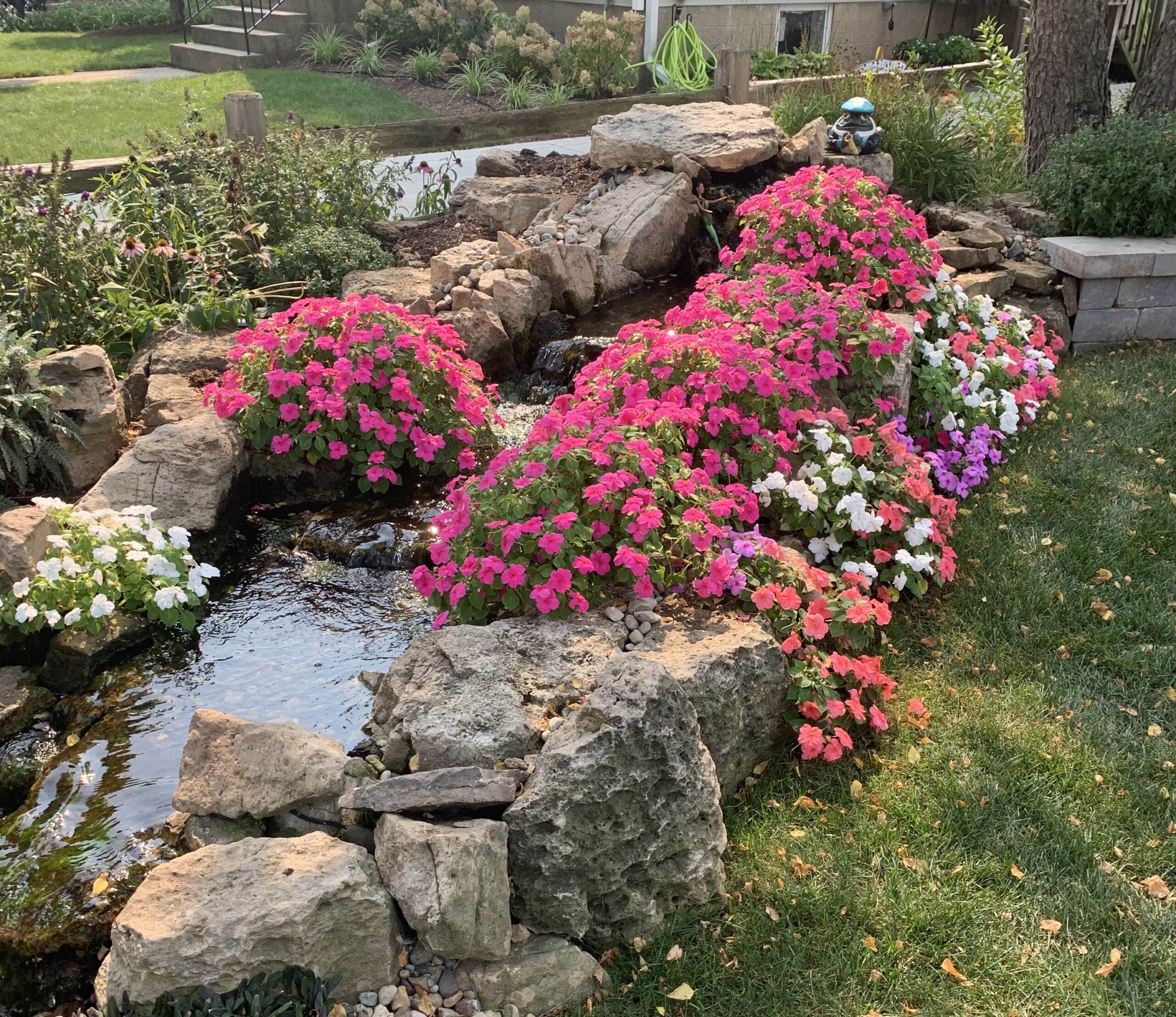
The Hidden System: Pondless Waterfall Water Movement
The Pondless Waterfall Installation is defined by its ability to create the visual and auditory effects of a waterfall without a visible pool of water at the bottom. The entire volume of water is cleverly concealed, offering a safer and significantly lower-maintenance feature.
The Pondless system operates on a contained reservoir loop:
- Collection: The water cascades down the stream and disappears directly into a large, contained underground reservoir filled with rock and gravel.
- Storage: The reservoir, often utilizing specialized water matrix blocks, safely stores the entire volume of circulating water.
- Pumping: A submerged pump sits within a vault in the reservoir and pumps the water back up to the top of the stream or waterfall.
- Elimination of Standing Water: This continuous containment process eliminates the standing open body of water, making it a favorite for properties prioritizing safety.
Safety and Maintenance: The Key Structural Benefit
The structural difference in water movement between the two features has significant implications for ownership. Because the Pondless system collects all the water in the underground reservoir, it removes the hazard of deep, standing water, making it the safest option for families with small children or pets. Furthermore, this design dramatically simplifies seasonal care.
Since the Pondless Waterfall Installation does not support fish or aquatic plants and contains its water volume, it avoids the annual burden of:
- Winterizing Complexity: While both require Fall Winterization to protect the pump, the Pondless system is generally easier to shut down or run through a mild Chicagoland winter.
- Deep Seasonal Cleaning: The need for annual deep cleaning, such as a full Spring Clean-outs to remove bottom sludge, is entirely eliminated.
Choosing the Pondless Waterfall Installation over a traditional Pond Installation means opting for a beautiful, flowing feature that maximizes safety and minimizes effort, ensuring a truly low maintenance experience for your Outdoor Living Spaces.
Ready to determine which water feature—a Pond Installation or a safer Pondless Waterfall—is the perfect fit for your lifestyle? Contact us today to schedule your initial Design consultation.